

Delaware Kicks Off New Integrated Civics and Literacy Initiative
Posted in Literacy for We the People News
CERL to partner with Delaware and Center for Civic Education to help shape program
Newark, Del. – The Delaware State Department of Education and Delaware Center for Civics Education kicked off their 2026-2027 pilot program, Literacy for the We the People (LWTP), with a summer professional learning institute at the University of Delaware from August 3 to 6. The new LWTP initiative integrates literacy into the Center for Civic Education’s (Center) We the People (WTP) curriculum and provides teachers with literacy resources and professional learning to improve students’ reading, writing, and speaking abilities. The Center’s WTP curriculum examines the philosophical and historical foundations of the U.S. Constitution, U.S. founding documents, and how founding principles have been applied over time.
The Delaware State Department of Education, the Center for Civic Education, the Delaware Center for Civics Education, and the Civic Education Research Lab (CERL) at Georgetown University are partners on this grant from the U.S. Department of Education’s Education Innovation and Research program. CERL’s formative and summative evaluation will inform continuous program improvement as partners engage in an iterative innovation and implementation process.
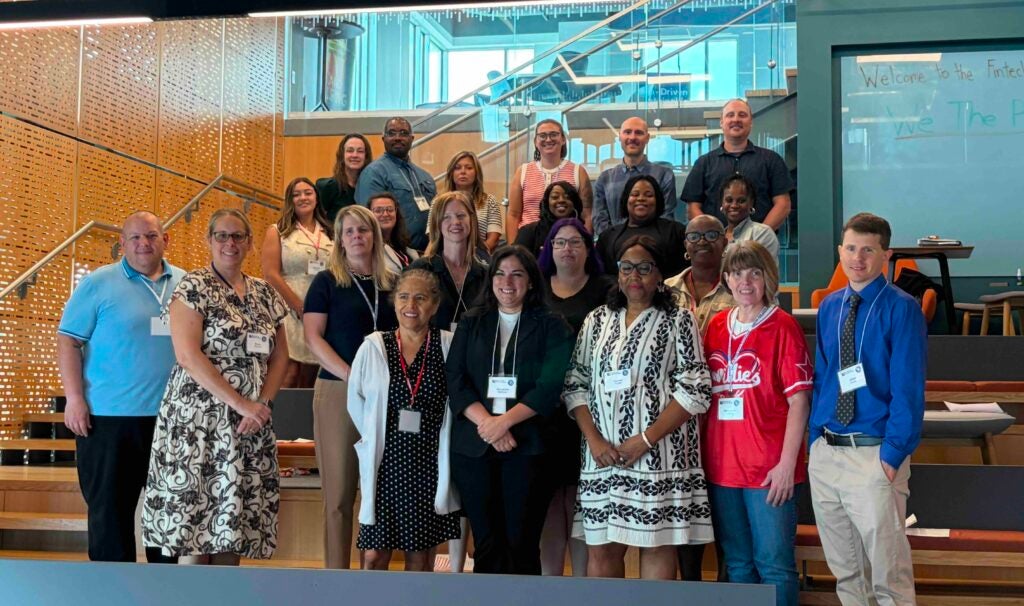
The 2026-2027 pilot program focuses on 21 Delaware fourth-, seventh-, and eighth-grade teachers but will expand to other states in subsequent years. They experienced hands-on lessons, learned more about the science of reading and how it connects to social studies, and built a network they can lean on as they implement the program. CERL shared research on the We the People curriculum and initial findings that support the integration of literacy and civics. CERL also conducted focus groups with teachers to discuss how they currently integrate literacy into social studies and the challenges to improving student civic knowledge and literacy skills.
Literacy is fundamental for the acquisition of knowledge and expansion of communication, critical thinking, and other skills essential for academic success, but only 30% of eighth graders and 31% of fourth graders scored at or above the proficient level in reading on the 2024 NAEP reading test considered the nation’s report card. The U.S. Department of Education recently identified evidence-based literacy as a priority in addressing the urgent needs of students, families, and states. While some educators have argued for the need for increased literacy instruction, studies have shown that increased time in social studies—not additional time in ELA—is associated with improved reading ability (Tyner and Kabourek 2020).
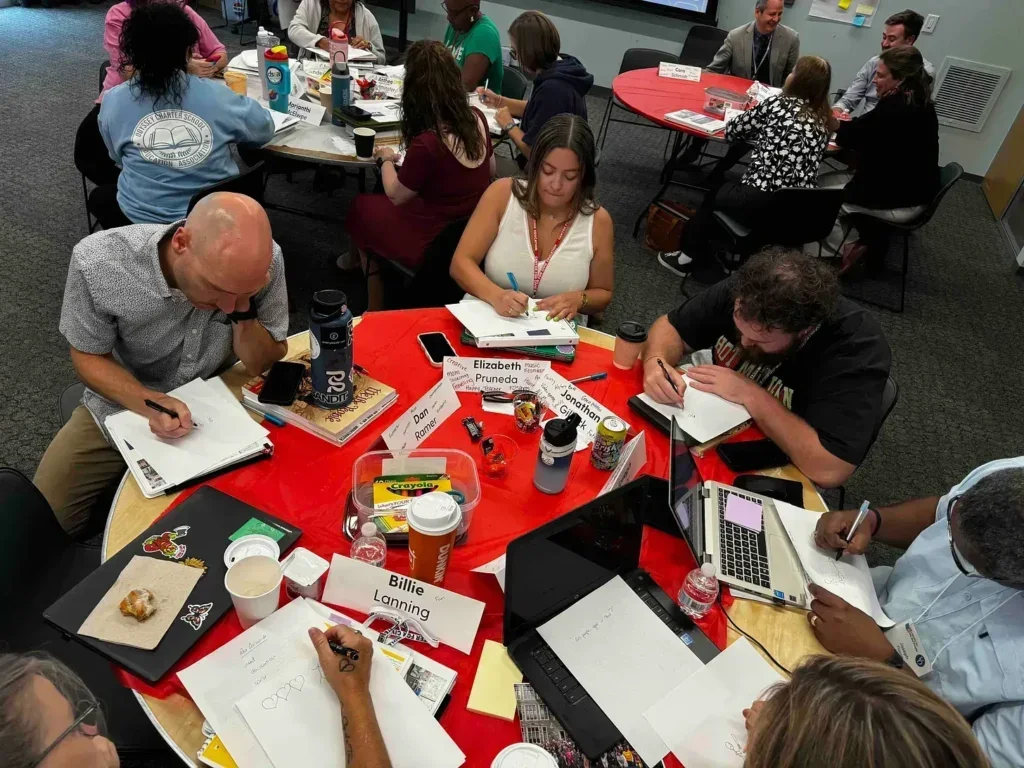
Literacy for We the People is designed to enhance the existing We the People and Delaware model lessons by intentionally incorporating literacy strategies into instruction. Delaware Social Studies Director Michael Feldman emphasized that “this project is not asking you to become a different teacher. Our goal is to help you become a more intentional one.” To prepare them for this task, the institute provided teachers with a toolkit of literacy strategies and hands-on experience with many of the lessons they will be teaching. Teachers worked through lessons that dissected vocabulary, employed graphic organizers, and practiced making evidence-based claims. Other activities and strategies included acting out vocabulary words, participating in a Paideia seminar using oral communication skills, and writing a persuasive letter.
A hallmark of the We the People curriculum is the simulated congressional hearing, where students research, present, and defend a constitutional argument before a panel of judges. At the Delaware institute, teachers did more than just learn about this assessment approach, they completed it themselves. Subscribe to the CERL Substack to read more about teachers’ hands-on experience during professional learning.
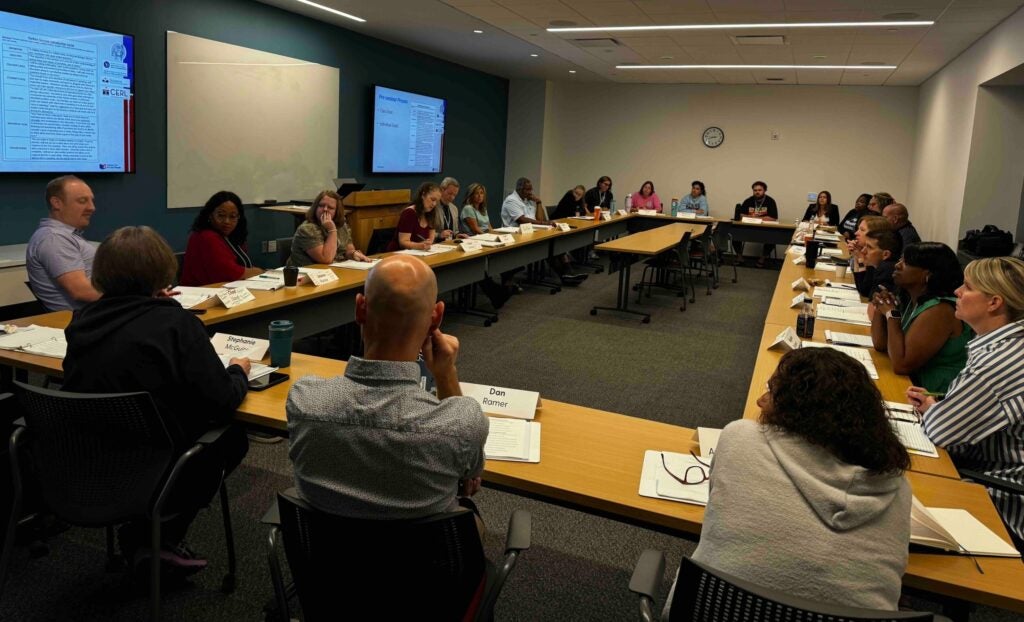
Lessons, strategies, and resources have been made available to the teachers online, and the repository will grow. In addition, the teachers will continue with professional learning sessions throughout the year.
Social studies is one of the richest contexts in which reading fluency and comprehension, writing, vocabulary, oral language, and critical thinking can be taught while students acquire substantive content knowledge, including essential knowledge of this nation’s founding history and the principles of the U.S. Constitution. The summer institute was a first big step to prepare teachers better to systematically support students, which will increase student attainment of literacy and civics standards. Literacy is fundamental not only for academic success, but also for citizenship.