

CERL Presents Perception Gap Research at NCSS Conference in D.C.
Posted in News
Washington – The Civic Education Research Lab (CERL) participated in the National Council for the Social Studies (NCSS) Conference on December 5-7. CERL Director Dr. Diana Owen and More Like US Executive Director James Coan presented a paper on “Correcting Perception Gaps to Increase Civil Discourse and Reduce Political Divides.” CERL also provided one-pagers summarizing their latest research on the Center for Civic Education’s We the People and Project Citizen programs at the Center’s booth.
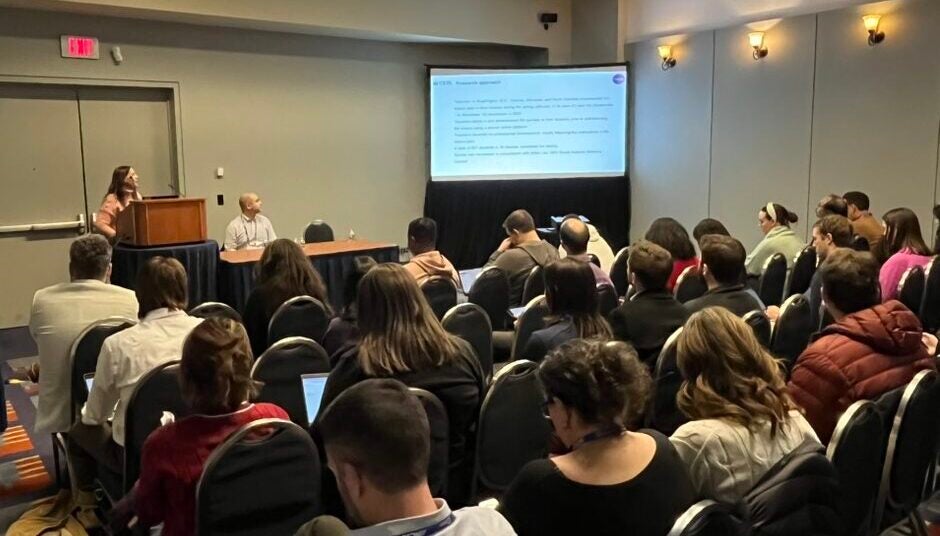
Owen and Coan shared findings from a study on More Like US’s Perception Gap lesson. The Perception Gap is “the extent to which Democrats and Republicans think they disagree with the amount they actually disagree,” according to Daniel Yudkin, Stephen Hawkins, and Tim Dixon of More in Common. The lesson seeks to increase students’ understanding of political polarization and narrow the Perception Gap by highlighting similarities in the ways that Americans across the political spectrum think about issues.
The findings of this study demonstrate that students had more positive attitudes toward the opposing political party after the Perception Gap lesson. There was some evidence of an increase in political empathy following the lesson. Students also became less anxious about having political conversations across political divides. The NCSS presentation sparked great discussion about polarization, understanding different viewpoints, and helping students build critical civic skills.
CERL spoke with many enthusiastic educators and colleagues about how they are strengthening civic learning in their communities. “It’s clear that civic education is now becoming a greater priority in school curricula nationwide,” said CERL Research Specialist Patrick McSweeney. “And this is really great news.”
Read more about Affective Polarization and the Perception Gap on CERL’s Substack.